When human medicine becomes dangerous
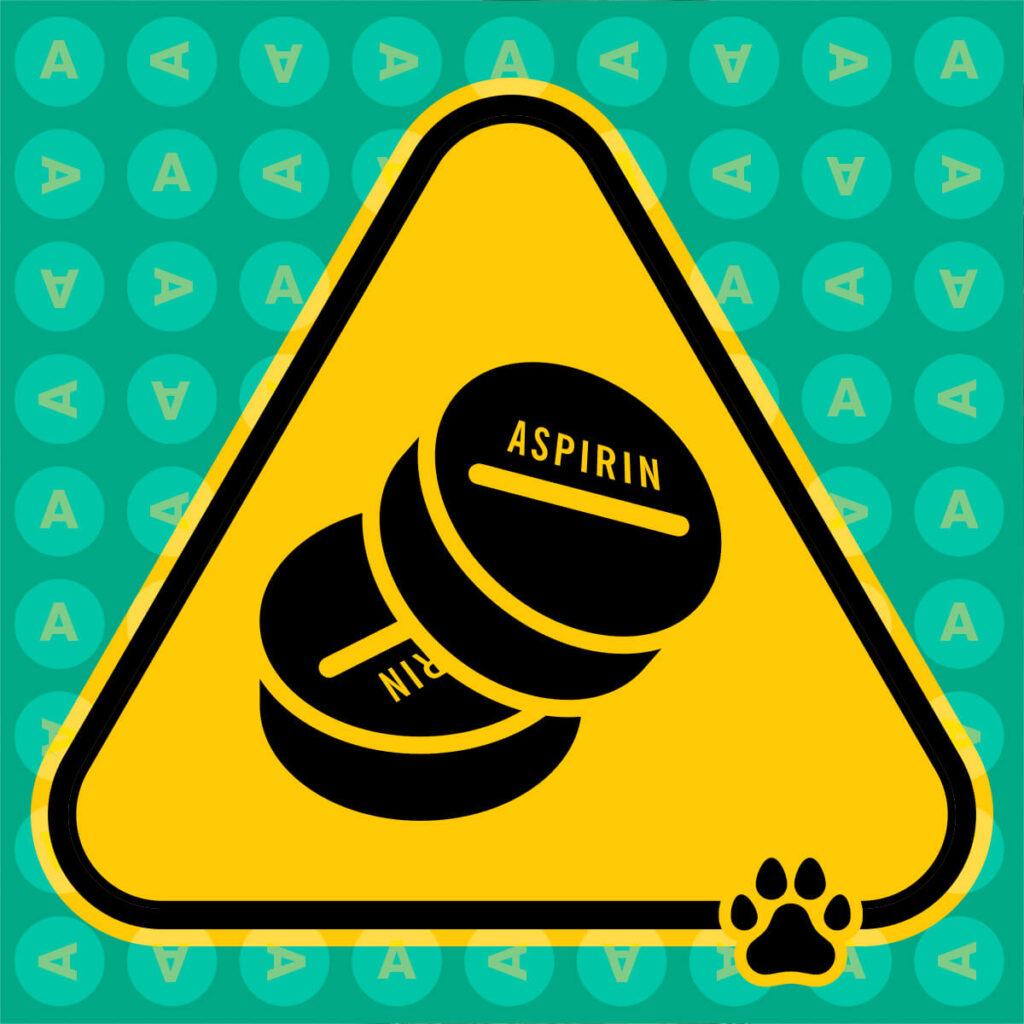
Aspirin is one of the most familiar medicines in the world. It is used to relieve pain, reduce inflammation, and lower fever. Because it is so common and easily available, it is sometimes mistakenly assumed to be safe for cats in small amounts. It is not.
The active ingredient in aspirin is acetylsalicylic acid, a salicylate. Cats lack key liver enzymes needed to process and eliminate salicylates efficiently. In humans, aspirin is broken down and cleared relatively quickly. In cats, it remains active in the body for much longer, continuing to affect tissues and organs instead of being safely removed.
This slow clearance is what makes aspirin dangerous. Salicylates interfere with normal cellular function, disrupt acid balance, and damage the lining of the stomach and intestines. They also affect blood clotting and can impair kidney function. Because the drug stays in the system, its effects can intensify over time rather than fading.
Aspirin toxicity in cats does not always look dramatic at first. Early signs may include loss of appetite, drooling, vomiting, lethargy, or changes in breathing. As toxicity progresses, symptoms can worsen and may include dehydration, fever, tremors, bleeding, or neurological signs. What begins as an attempt to relieve discomfort can quickly become a far more serious problem.
There is no safe over-the-counter dose of aspirin for cats without veterinary guidance. Even doses that appear small can become toxic due to the cat’s inability to metabolise the drug properly. This is not a matter of sensitivity or size. It is a fundamental difference in feline biology.
Cats are not small humans. Their bodies handle chemicals, medications, and nutrients in species-specific ways. Substances designed for people often rely on metabolic pathways that cats simply do not have. This is why human medicines, even familiar ones, should never be given to cats unless specifically prescribed by a veterinarian.
Protecting your cat starts with respecting its biology. When it comes to medication, what helps humans can harm cats. Always consult a veterinarian before giving any medicine, and keep human drugs safely out of reach.

Did you know?
The number that matters
Aspirin stays active in a cat’s body far longer than in humans. In people, the half-life of aspirin is around 6 hours. In cats, it is 38 to 45 hours, sometimes longer. This means a single dose can remain active for days, continuing to affect the body instead of being cleared.
The dose that harms
A standard aspirin tablet contains 325 mg. For a 4 kg cat, that equals roughly 80 mg per kilogram of body weight, already within the potentially lethal range. Even a so-called baby aspirin at 81 mg can cause toxicity. There is no safe over-the-counter dose of aspirin for cats without veterinary guidance.
The missing enzyme
Cats lack sufficient glucuronyl transferase, a liver enzyme essential for processing salicylates and many other drugs. This is not a sensitivity. It is a fundamental gap in feline biology. The same enzyme deficiency makes paracetamol (acetaminophen) and ibuprofen equally dangerous, and often even more toxic, for cats.