Dr. Seuss, unexpected paths, and The Cat in the Hat
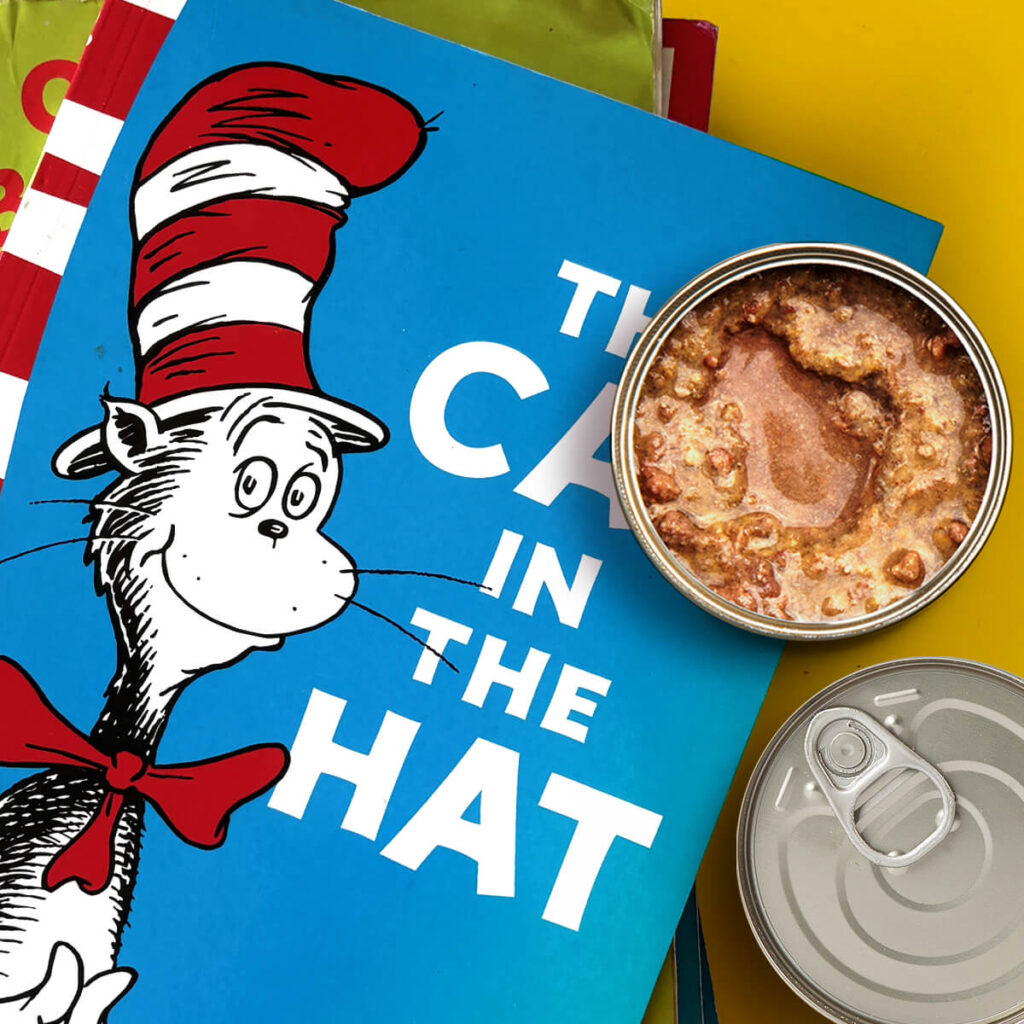
In 1957, a tall striped cat stepped onto the page and into popular culture. The Cat in the Hat, created by Dr. Seuss, became one of the most recognisable cats in the world. Behind the pen name was Theodor Seuss Geisel, born in 1904, a writer and illustrator who believed children deserved stories that were playful, clever, and alive with imagination. The Cat in the Hat was born from an unexpected challenge. At the time, children’s reading books were rigid and uninspiring, built around strict word lists that drained joy from learning. Geisel wanted to prove that simplicity did not have to mean boredom. With rhythm, repetition, and humour, he created a story that felt mischievous, energetic, and completely new.
For many families, The Cat in the Hat became more than a book. It became a ritual, read again and again, night after night. The same words, the same illustrations, the same cat, and yet something new each time. That is what good stories do. They grow with you. What makes the Cat in the Hat endure is not just the rhyme or the red and white stripes, but the personality. Curious, friendly, disruptive, and a little chaotic. The Cat does not follow expectations. He changes the atmosphere simply by arriving and reminds us that creativity rarely follows straight lines.
Real cats often do the same. They enter our lives quietly and shift everything, leading us down paths we did not plan to take. 3coty® began that way too. Not as a business idea, but as care for one cat. Cookie. What started as love turned into curiosity, learning, and eventually into making food. Not because it was planned, but because the journey asked for it. Life moves in circles more often than in straight lines. The child who once listened to those stories grew up with them, and today he helps shape the digital home where these stories are shared. The story continues, just in a different form.
Dr. Seuss once said that adults are just outdated children. His work respected curiosity and welcomed the unexpected. Living with cats asks for the same openness. When we let curiosity lead, something meaningful often follows.
Some cats change stories. Some stories change lives. Stay curious, embrace the unexpected, and trust the journey, even when it does not look like the plan.

Did you know?
A deliberate experiment
The Cat in the Hat was written using a very limited vocabulary, yet its rhythm and structure transformed early reading books and how children learned to read.
A cat without a name
The Cat in the Hat is never given a personal name. He exists as a presence rather than a character, free to appear, disrupt, and disappear.
A lasting icon
More than sixty years after its publication, The Cat in the Hat remains one of the most recognisable fictional cats in the world, translated into dozens of languages and read across generations.