Why we never use colourants in our cat food
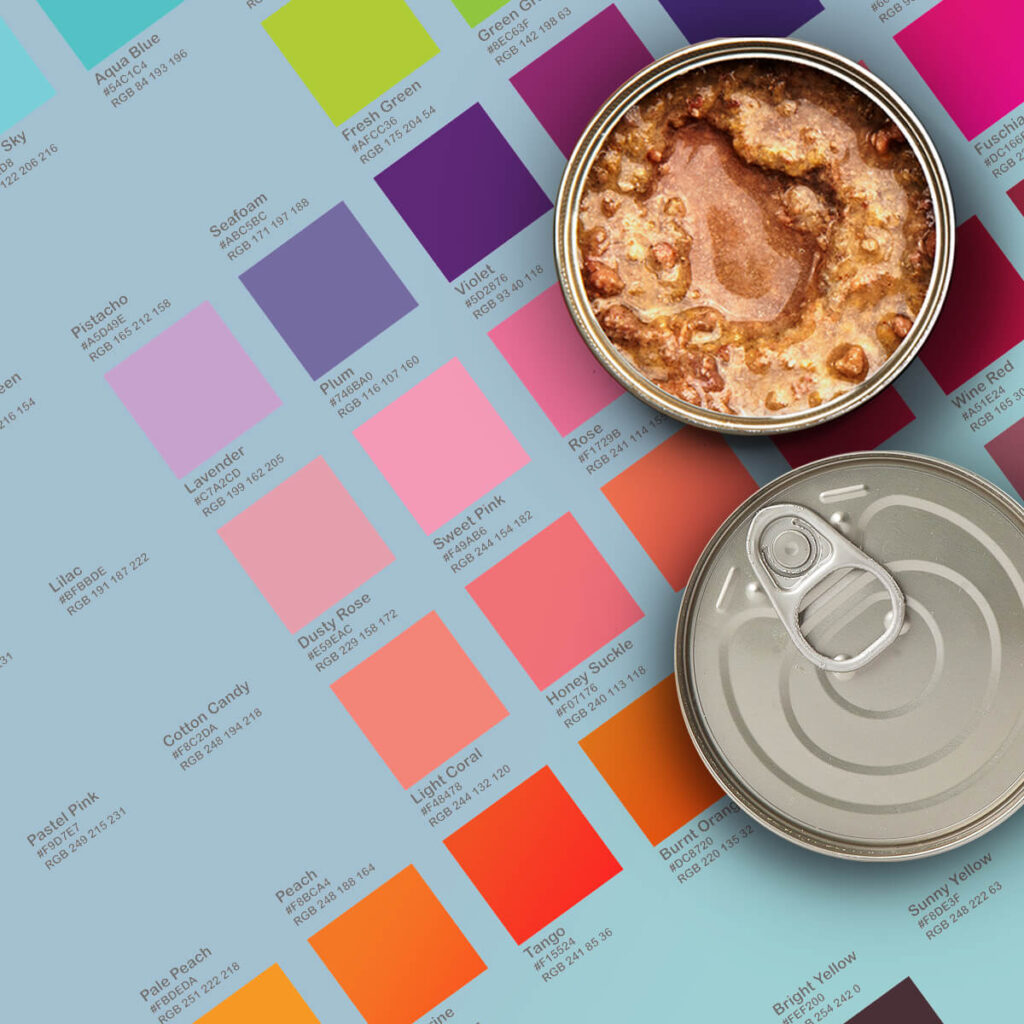
The colour of 3coty® cat food comes entirely from the ingredients themselves. When real meat and organs are gently cooked in their own broth, they take on warm natural shades that reflect the true composition of the recipe. We do not use colourants because they do not nourish your cat, they do not support wellbeing and they offer no benefit to the animal. Their only purpose is to change the way the food looks for the human buyer. We do not believe appearance should be adjusted at the expense of honesty.
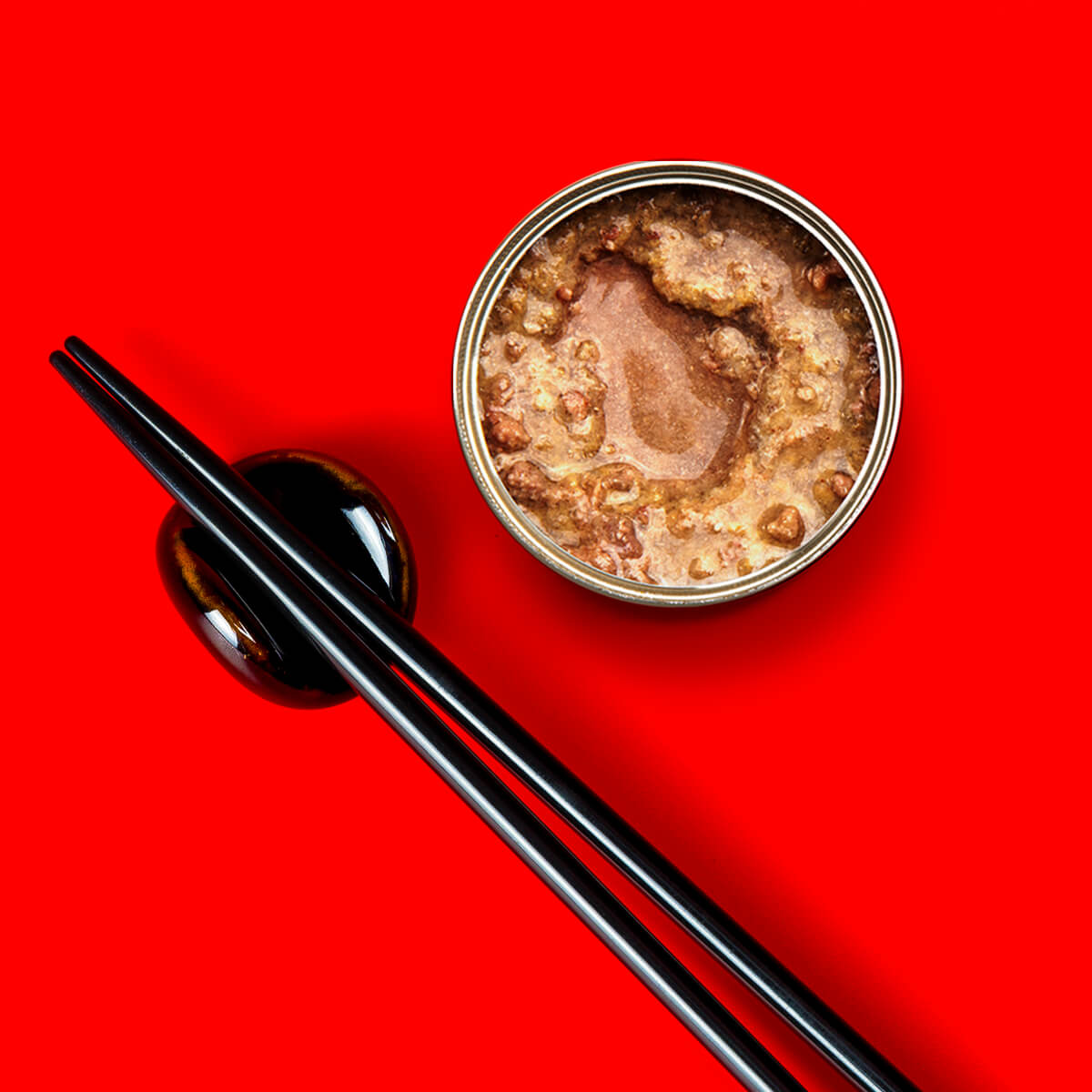
Natural food is not supposed to look identical from batch to batch. Real ingredients vary. Meat and innards change in shade depending on age, size, diet and season. Turkey hearts may arrive deep and intense in colour one month and noticeably lighter the next. Livers can range from pale brown to darker tones. These differences remain visible in the final cooked food because we do not hide or correct them. Natural variation is a sign of purity, not inconsistency.
Some functional ingredients also influence colour in a natural way. Recipes that contain Spirulina or Chlorella may show brownish green or olive tones because these algas have their own pigments. Foods that contain Antarctic Krill often develop warm reddish hues because krill naturally contains carotenoids. These tones come from the ingredients themselves and reflect their natural nutrients. Nothing artificial is added to change or control the appearance.
Many pet foods on the market look perfectly uniform because colourants are used to correct the appearance. Colourants do not improve nutrition and they are added only because consistent colour appears more attractive to the human eye. Cats do not rely on colour when choosing their food. As we explained in our earlier newsletter about feline vision, cats see only part of the blue and green spectrum and depend mostly on scent and texture. This means colourants are unnecessary for them and undesired for us.
In the European Union colourants fall under Regulation EC 1831/2003, which sets the rules for their use as feed additives. Research on their long term effects in cats remains limited. Manufacturers are not required to list each colourant by name or by E number on the packaging and can simply declare colourants under the additives section. This means a product may contain artificial colours without clear visibility for the buyer. At 3coty® we take a different approach. We do not add colourants at all and we clearly declare zero percent on every label.
The natural colour of 3coty® food shows that the recipe contains only real ingredients prepared without artificial adjustments. When you see small differences in shade between batches you are seeing the natural result of real meat and organs. For us this honesty supports both quality and trust. Your cat receives food as nature presents it, without anything added for appearance alone.
Choose food where every colour comes from real ingredients and nothing else. Discover how natural nutrition can support your cat’s well-being.

Did you know?
Colourants are widely used in the pet food industry, especially in dry cat food. After the extrusion process kibble often looks pale, so manufacturers spray fats, palatants and synthetic dyes onto the surface to create a richer appearance. These dyes include tartrazine (E102), sunset yellow (E110), ponceau 4R (E124), allura red AC (E129) and iron oxides (E172).
Cats do not rely on colour when choosing their food. They see only part of the blue and green spectrum and depend mainly on scent and texture. This means colourants are added for the owner, not the cat.