Staying with history
Recently we talked about how commercial cat food has become important as changes in human lifestyle reduced rodent populations. This time, we thought we would take a closer look at what used to go into cat food.
One of the earliest manufacturers, Spratt’s, was keen to point out that their food contained no horsemeat, and that their fish-based foods were “without risk of dangerous fish bones”. Their food, like ours, was close to what cats eat in the wild: animal protein.
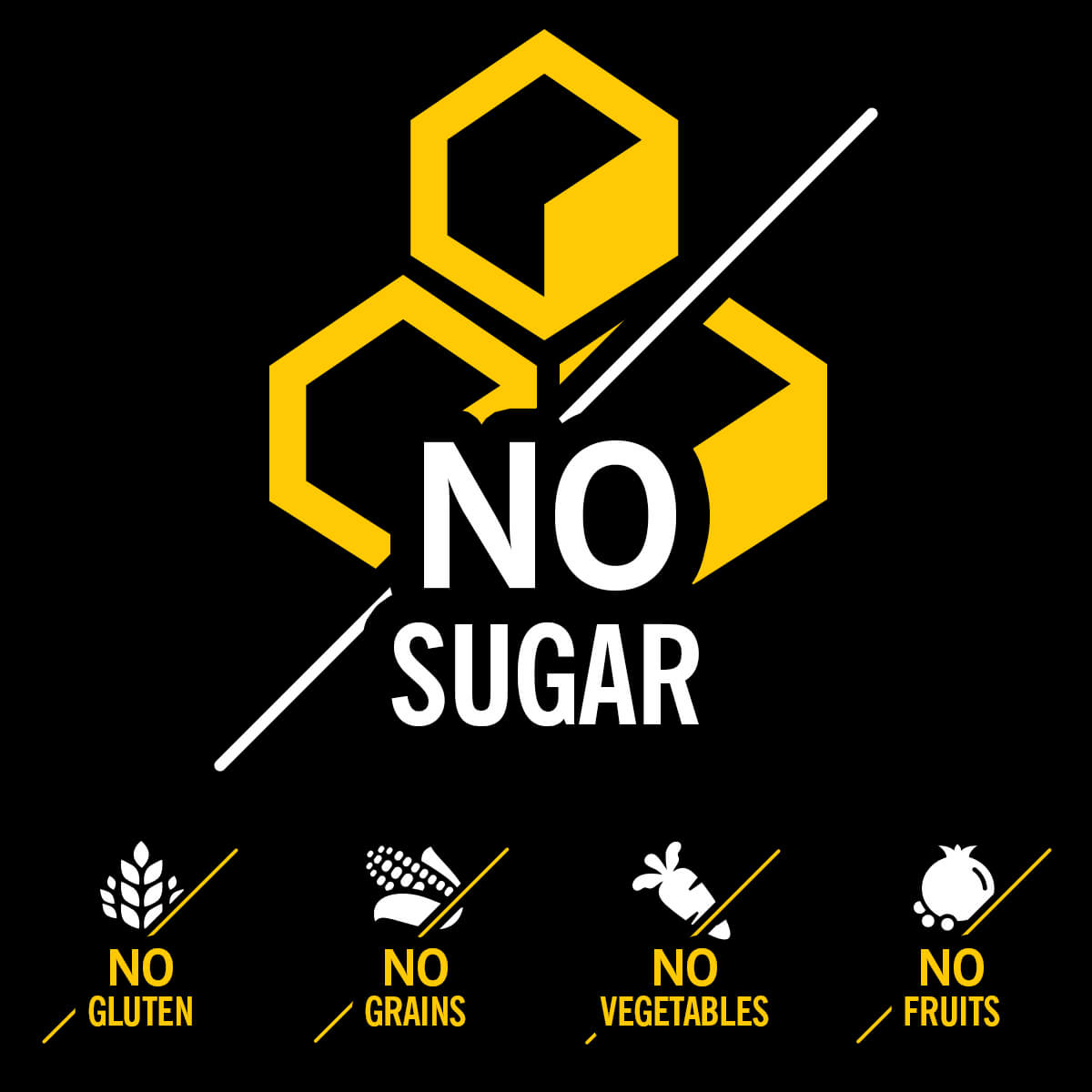
After the Second World War, extrusion processes were developed, allowing dry food to be manufactured in bulk. However, this process requires a high amount of carbohydrates to bind the small pieces together, resulting in a decline in the nutritional quality of some cat foods. Despite its convenience, dry cat food can be detrimental to a cat’s health for several reasons: insufficient water content, too much carbohydrate, and not enough animal protein.
At 3coty® we have gone back to the basics of what a cat needs to eat: meat, taurine, vital amino acids and omega fatty acids. Just like Spratt’s slogan from 1936, “putting pussy into fine form”, our food is designed to support a healthy feline lifestyle. If your cat does not need it, it is not in our food.
Like Spratt’s, our tins come in a range of sizes, from 80g to 1200g, to suit each cat and its household.
What is your preferred size? A 1200g tin to feed all cats from one tin, or 80g so each meal is freshly opened? Tell us which size is most convenient for you.

Did you know?
The invention of dry cat food was driven by manufacturing efficiency, not feline biology. Extrusion requires starches to hold the kibble together, even though cats have no nutritional requirement for carbohydrates. Cats evolved to eat prey that is naturally high in moisture and animal protein, which is why hydration and meat content remain critical to their long-term health.