The species that domesticated itself and us
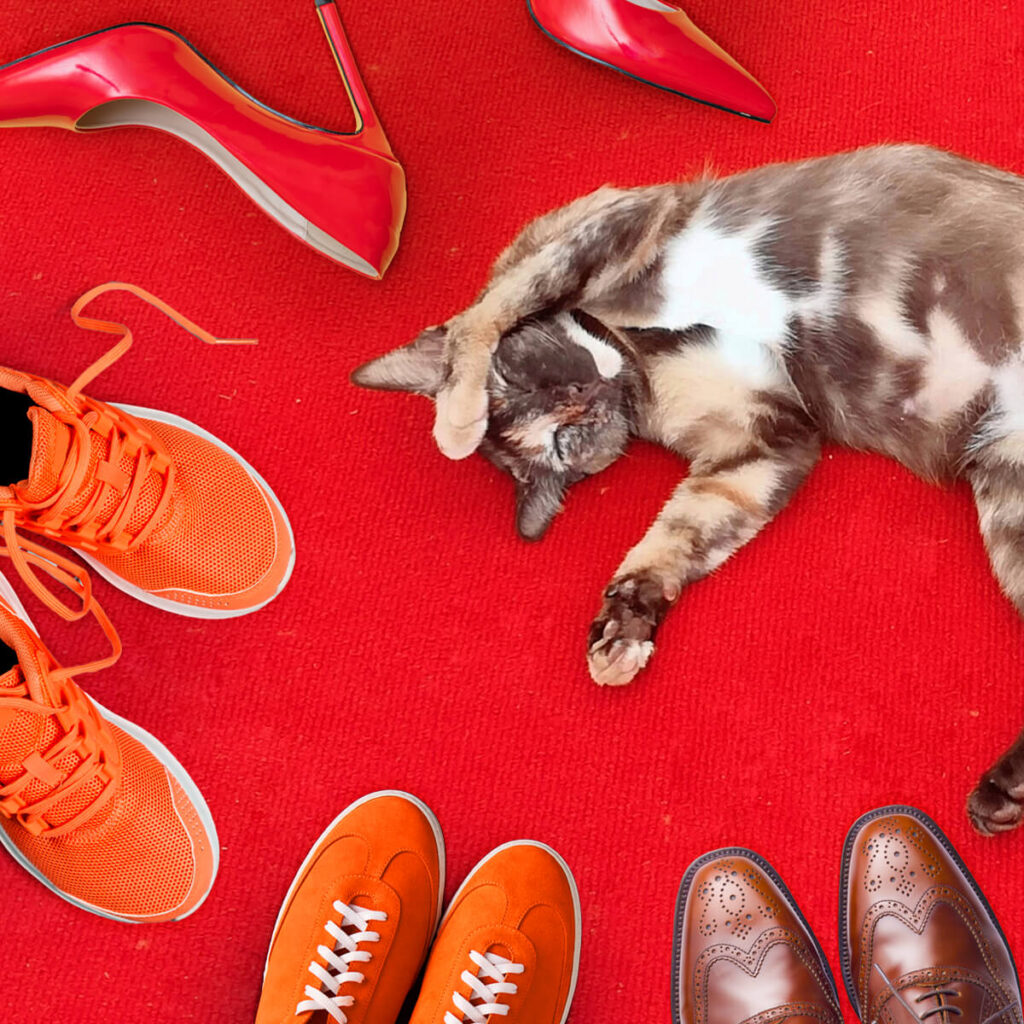
We call cats pets, but the arrangement has always been questionable. They decide where to sleep, when to engage, and how much attention is acceptable. We reorganise furniture, schedules, and habits around them without much resistance. Somewhere along the way, the idea that cats belong to us became… flexible.
From a scientific perspective, cats are unique. They are the only domesticated animal known to have domesticated itself. With the start of Neolithic agriculture, around 9,500 years ago, humans began storing grain. Grain attracted mice. Mice attracted wildcats. Humans did not invite them in, train them, or breed them for specific tasks. Cats simply arrived, recognised opportunity, and stayed. On their own terms.
This is where reverse domestication begins. Unlike dogs, which were selectively bred and reshaped by humans to perform roles, cats changed very little. Their bodies, instincts, and behaviour remain strikingly close to their wild ancestors. They did not become dependent. They did not surrender control. They formed a loose alliance and kept their independence intact.
That independence had consequences. Because cats were never bred for tasks or reshaped to serve human needs, they remain the only true predator living alongside us. Their evolution did not soften them, dilute them, or redesign their bodies for flexibility. Their anatomy, metabolism, and instincts stayed intact. Unlike other domesticated animals, cats never adapted to human food systems. They adapted humans to them.
History quietly confirms this pattern. Writers, scientists, rulers, and artists across centuries found themselves adjusting to their cats, not the other way around. Ernest Hemingway lived among colonies of polydactyl cats. Freddie Mercury reportedly called home during tours to speak to his cats. Cardinal Richelieu left pensions to his fourteen cats in his will. Florence Nightingale named dozens of cats after politicians. Across cultures and eras, the pattern repeats. Brilliant humans. Quietly owned.
Cats do not dominate through force. They influence through presence. They settle into lives, reshape priorities, and redirect attention without ever asking permission. Reverse domestication is not about control. It is about acceptance.
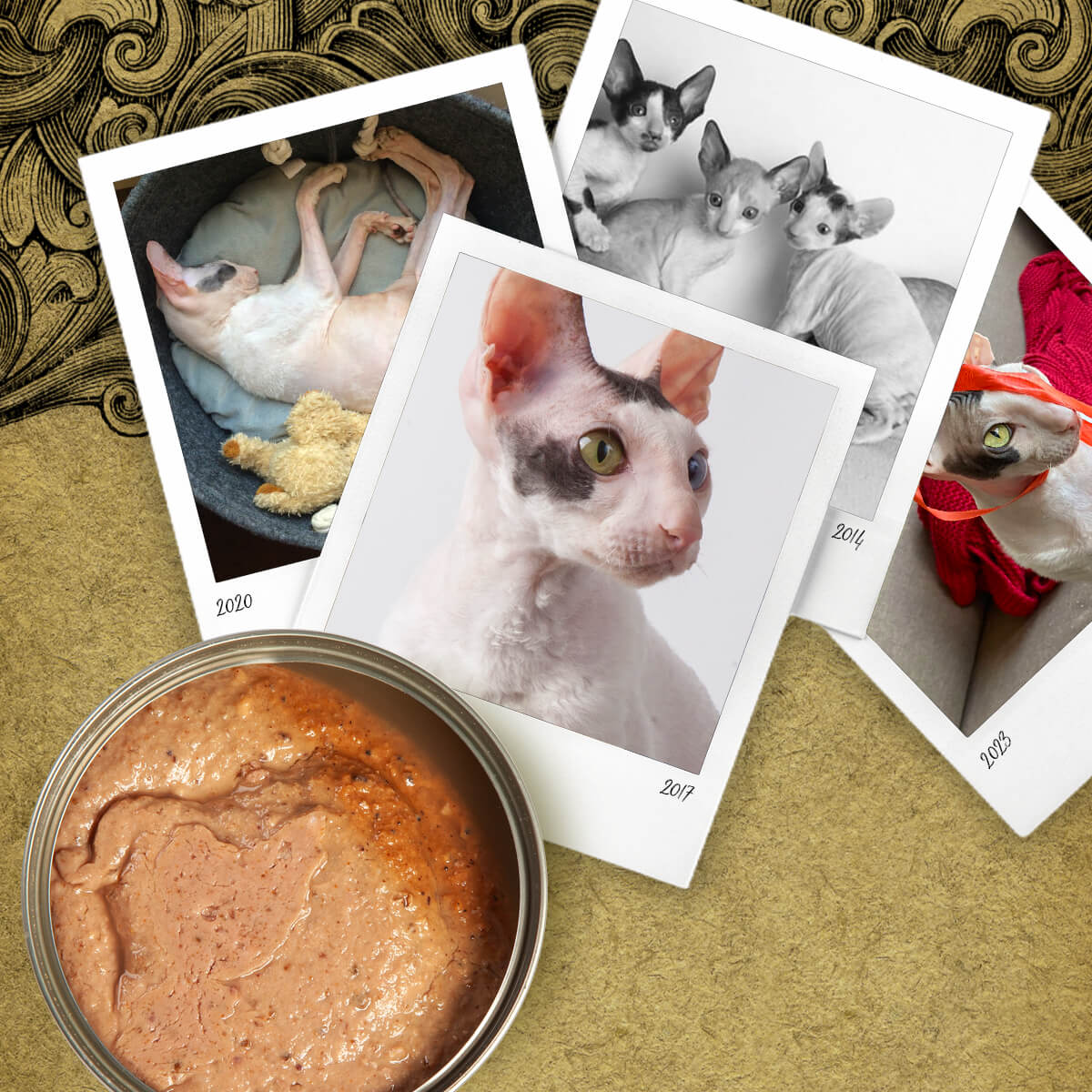
3coty® exists for the same reason. Not because of a plan, but because of one cat. Cookie walked into a life and changed its direction. What began as care became curiosity. Curiosity became learning. Learning became action. No strategy. No roadmap. Just a cat doing what cats have always done. Showing up and altering the course.
We may call them pets. History suggests something else entirely.