It is survival biology, not personality
Cats are often described as stoic, mysterious or difficult to read. When they are unwell, people are frequently surprised by how suddenly things seem to change. This is not because cats feel less pain. It is because they are biologically wired to hide it.
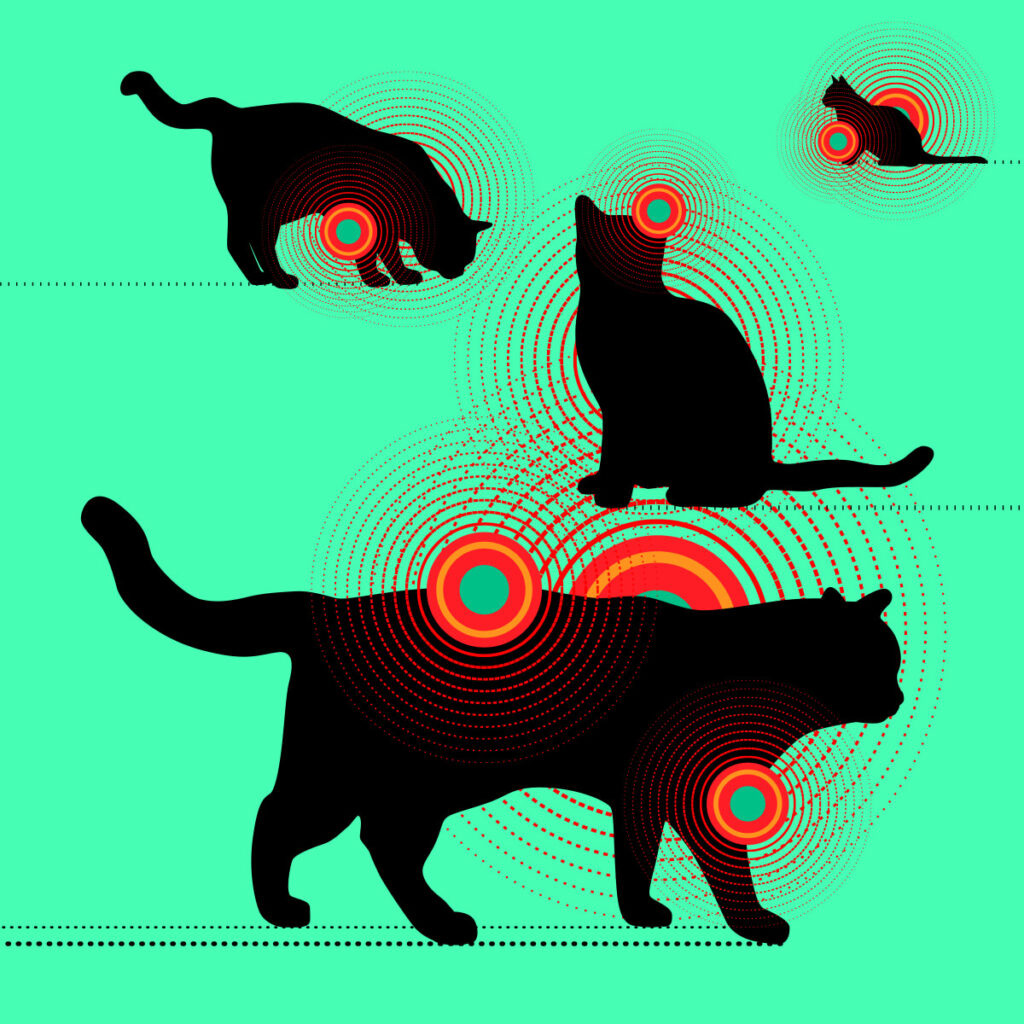
Pain masking in cats is a survival adaptation. Cats evolved as both predators and prey. In the wild, showing weakness attracts attention and increases the risk of attack. An animal that looks injured or ill becomes a target. Cats that concealed pain survived longer. That instinct remains intact, even in safe homes.This is why pain in cats rarely looks dramatic. Instead of crying out or limping obviously, cats adjust. They may jump less, sleep more or groom differently. Their posture changes. They choose different resting places. Appetite, interaction and tolerance for touch may shift. These are not mood changes. They are biological signals.
Chronic pain is especially difficult to recognise. Arthritis, dental disease, kidney disease, gastrointestinal inflammation and neurological discomfort often progress quietly. Cats compensate by reducing movement and avoiding discomfort. To humans, this can look like ageing or slowing down. In reality, it is adaptation. Stress and pain are closely linked. A cat in discomfort may become withdrawn, irritable, unusually quiet or unusually clingy. There is no single pain behaviour. Consistent behavioural change always deserves attention.
Modern feline medicine increasingly recognises this. Veterinary pain assessment now focuses on facial expression, ear position, whisker tension, posture and activity level rather than vocalisation. When cats finally show obvious pain, it usually means they have been coping for a long time.
Understanding this changes how we care. Waiting for clear signs often means waiting too long. Respecting small signals, adjusting the environment and supporting comfort before problems escalate can make a profound difference to quality of life.
Knowing your cat means watching for change, not noise. Quiet does not always mean comfortable. Sometimes the smallest changes are the ones that matter most.

Did you know?
In recent years, there has been growing interest in natural comfort support for cats, particularly for long term conditions where stress, inflammation or nervous system imbalance play a role. Unlike essential oils or fragranced products, these approaches focus on internal support rather than environmental scent.
Such formulations are typically based on plant derived oils, including hemp with naturally occurring phytonutrients and hempseed oil. They are designed to support immune function, vitality and mental comfort, helping cats cope better with stress and discomfort, and are often used as part of palliative care or long term well-being support.
This reflects a broader shift in feline care: moving away from masking symptoms and towards supporting the body’s own regulatory systems, including the nervous system and sleep wake cycle. While not a replacement for veterinary care, comfort focused nutritional support has become an important part of modern, responsible cat care.