Why feline obesity matters more than you think
In a recent blog, we shared our thoughts and research on obesity in cats. As promised, we have more to say about this growing concern, because the truth is simple: obesity is now one of the most serious health threats to domestic cats. Yet many pet owners still underestimate its impact or delay acknowledging it. If you missed the first part of this discussion, we encourage you to read it here: “Growing Concern”.
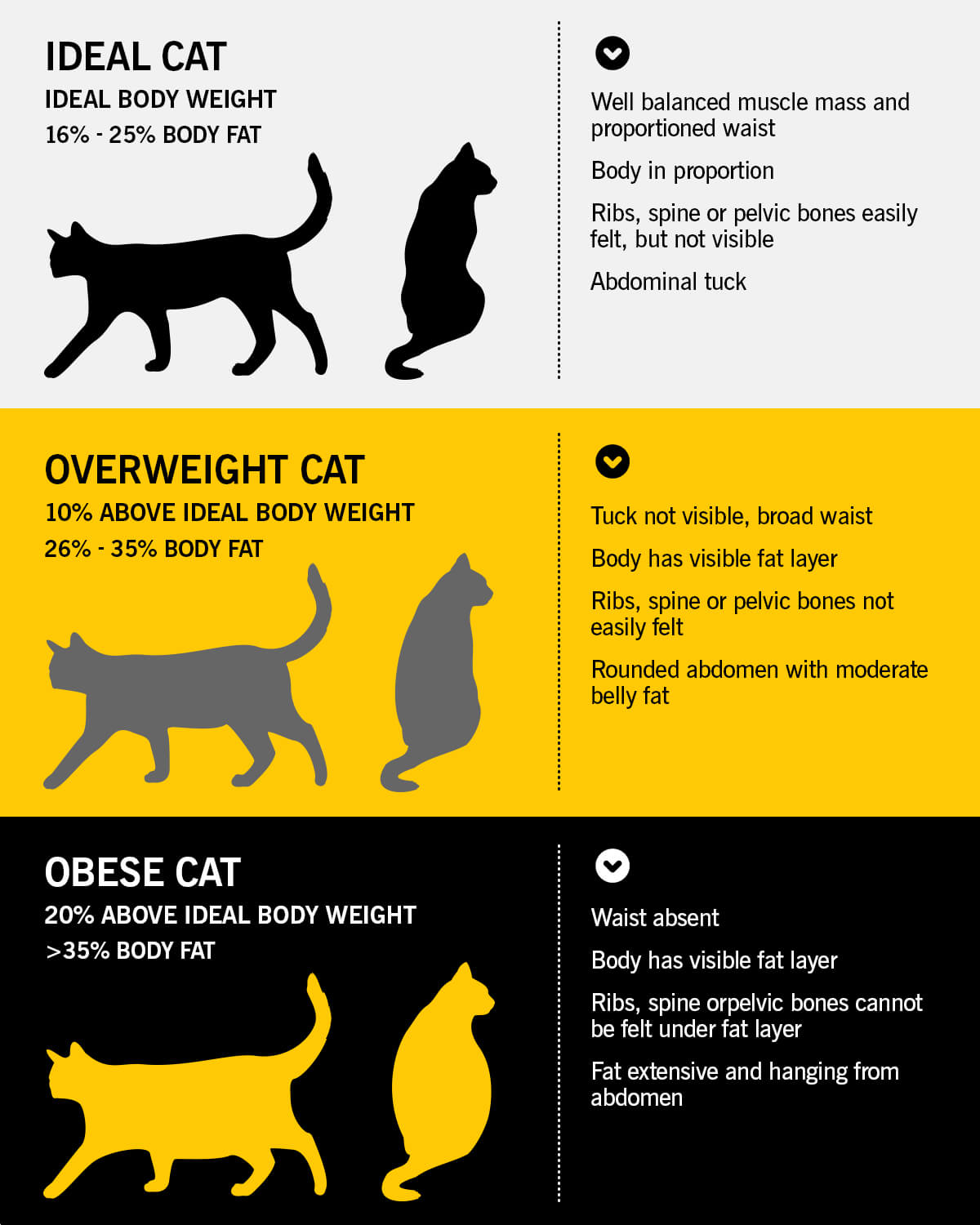
So how do you know your cat is obese? The general rule is that when your cat’s body weight is 20 percent or more above normal weight, it is classed as obese.
So why are cats getting obese?
Actually, the answer is quite simple – lifestyle and diet.
Not enough exercise
We’ve all seen nature films featuring lions, cheetahs, and tigers. Have you ever spotted an obese lion lounging in the savannah? Or a cheetah too heavy to chase prey? Probably not.
Our cats, in contrast, live indoors. They don’t need to hunt, roam, or defend territory. They curl up on the couch while we bring them food. Their physical activity often depends entirely on how often we play with them, and even the most playful owner can’t replicate a wild hunt.
Food, food, food…
Feeding habits play a huge role in feline obesity. Many cat owners don’t read labels or evaluate the quality of food. The percentage of real meat is often surprisingly low in many commercial products.
Two of the greatest contributors to weight gain are table scraps and excessive treats.
Another major factor is “free feeding,” where dry food is left out all day for cats to nibble. It’s still common for people to believe that cats should always have access to food. This is a misconception that leads to constant grazing and unwanted weight gain.
Is it so bad to have a round cat?
Yes. Many cat owners see a chubby cat as cute or harmless. But obesity brings serious health risks. When a cat becomes overweight or obese, it’s no longer a matter of if illness will occur, but when.
Here are some of the health issues linked to feline obesity:
- Type 2 diabetes – obese cats are three times more likely to develop it
- Heart disease
- Osteoarthritis (arthritis)
- Increased risk of joint injuries
- High blood pressure
- Certain forms of cancer, especially intra-abdominal cancers
- Shorter life expectancy compared to cats with a healthy weight
Feline Weight Watchers
01. Cut carbs
Start by reducing carbohydrates. Gradually switch from dry to canned food. Wet food typically contains more meat-based protein and fewer carbs — exactly what your cat needs. It also helps with hydration.
02. Stop free feeding
Cats should eat structured meals, about three times a day. Avoid leaving food out between meals and eliminate snacks.
03. Encourage movement
Play with your cat
more often. If space allows, consider an exercise wheel or interactive toys. For indoor cats, regular movement is essential.
04. Talk to your vet
Weight reduction must be gradual and supervised by a veterinarian. Sudden, extreme dieting can be dangerous and may lead to hepatic lipidosis, a serious and potentially fatal liver disease.
05. Track progress
Weigh your cat weekly. A healthy target is around 2% body weight loss per week. Steady, slow change is key to long-term success.
Why 3coty® cat food can help
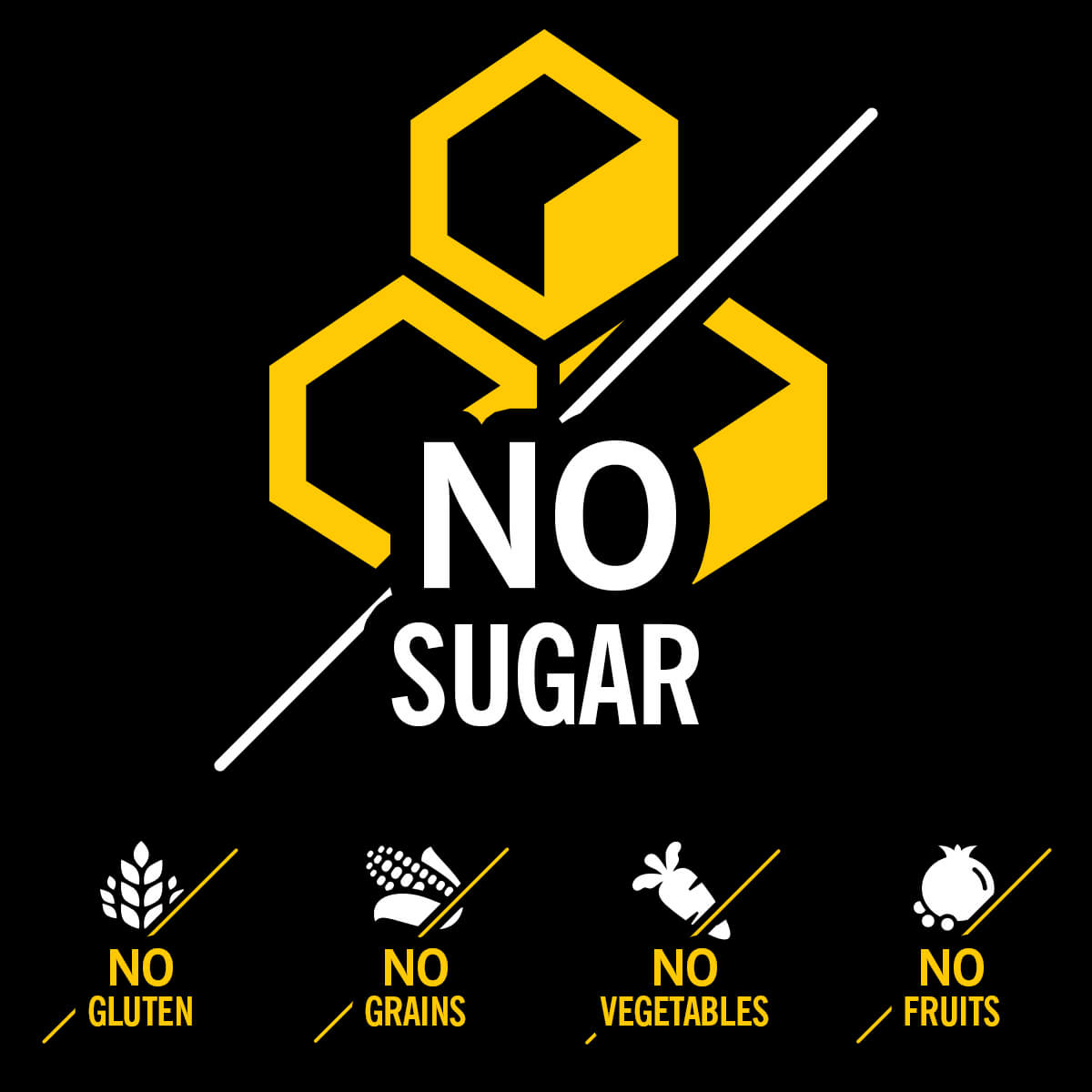
At 3coty®, we believe that species-appropriate feeding is essential to feline health. Our products are made with high-quality meat and contain no unnecessary fillers. That means no added carbohydrates, no grains, no thickeners. Just real food that your cat’s body is naturally designed to digest. If you are looking for a way to support your cat’s well-being through nutrition, making the switch to 3coty® is a smart step.
Good luck. If you have any questions, feel free to write to us. We would love to hear your story.